
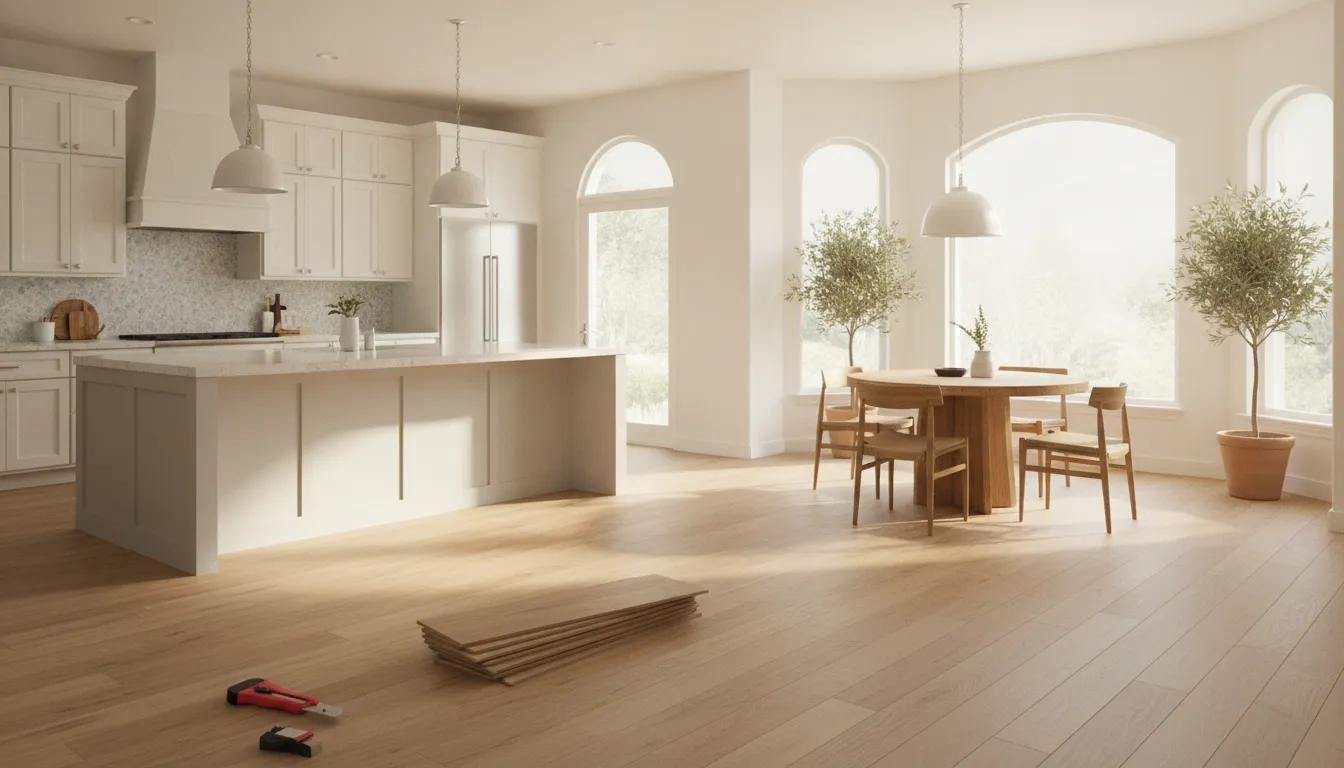
Vinyl plank flooring installation in Los Angeles
Luxury vinyl plank is the floor we suggest when water, pets or a rental are part of the picture. The slab under it decides how well it lasts.
- Luxury vinyl and rigid core
- Kitchens, baths, rentals
- Slab leveling first
Where vinyl plank beats wood
A wood look that does not mind water.
Luxury vinyl plank, often called LVP, is a layered floor with a printed wood image under a clear wear layer. Water does not harm the plank itself, it resists scratches from pets, and it feels warmer and quieter than tile. That makes it a strong choice for kitchens, bathrooms, laundry rooms and rentals, and for homes with dogs and children.
It is not the right floor everywhere. It cannot be sanded and refinished like wood, and a room full of strong sun can fade cheaper products. For the full picture of what it is and how it compares, read what LVP flooring is.
The slab decides how long it lasts
Vinyl is thin. Every dip and bump underneath shows through.
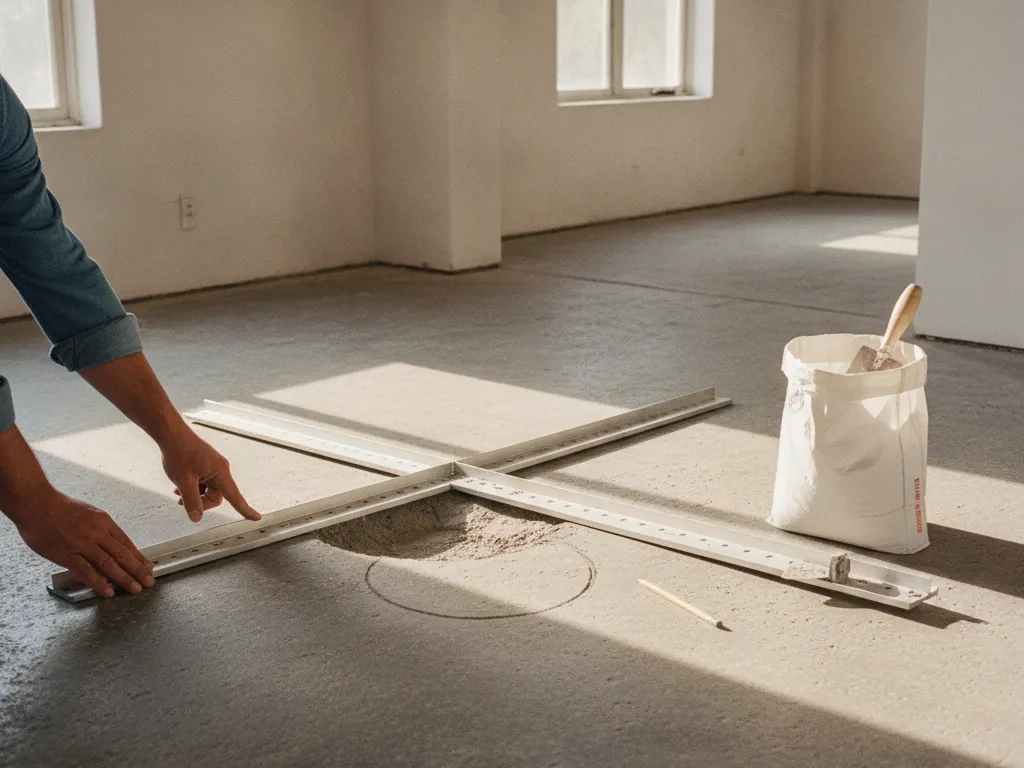
Many Los Angeles homes have a concrete slab under the floor. Vinyl plank goes straight onto that slab or over an underlayment, so the slab has to be flat. A low spot makes the floor feel hollow and can break the click joints. A high spot shows as a ridge across the room.
We check the slab with a long straightedge and fill low spots with patching or self-leveling compound. We also test it for moisture. The planks themselves are waterproof, but moisture trapped under a glue-down floor breaks the bond, and a damp slab under a floating floor can cause mold. Where the readings call for it, a vapor barrier goes down first.
This preparation is the difference between a vinyl floor that lasts and one that clicks, gaps and lifts.
Floating or glue-down, rigid or flexible
The right combination depends on the room and the slab.
- 01
Floating click-lock
Planks lock to each other and float over the subfloor. Fast to install, easy to repair a single plank, and it can go over many existing hard floors. The usual choice for homes.
- 02
Glue-down
Thinner flexible planks bonded to the slab. Very stable in large rooms and sunny spaces where a floating floor might move, and common in commercial spaces.
- 03
Rigid core (SPC)
A stone-polymer core makes the plank stiff, so it bridges small imperfections and feels solid underfoot. Most click-lock luxury vinyl sold today is rigid core.
- 04
Flexible vinyl
A thinner, softer plank that follows the subfloor closely. It needs a very flat base and is usually glued down.
Transitions, baseboards and installing over an old floor
The details that make it look built in.
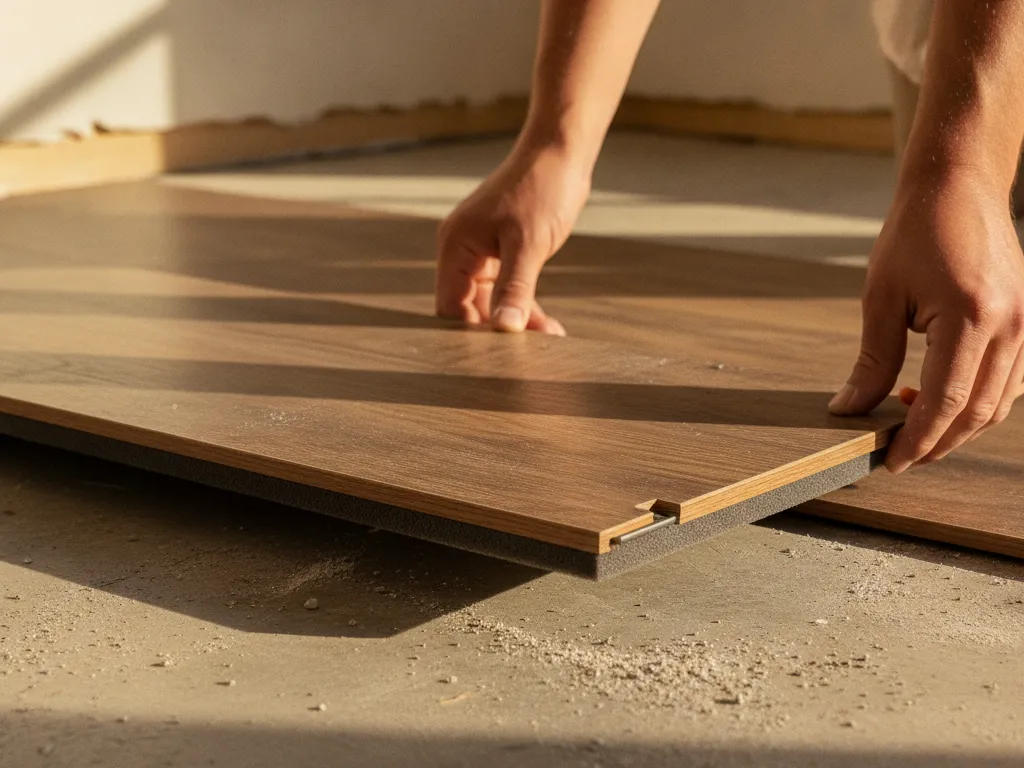
Vinyl plank needs a small gap at every wall so it can expand. Baseboards or quarter round cover that gap, and we remove and reset existing baseboards or fit new ones.
Where vinyl meets tile, carpet or wood, we fit a transition at the right height. Doorways get undercut door jambs so the planks slide underneath for a clean edge.
Vinyl plank can often go over existing tile or sheet vinyl, which saves removal. The old floor has to be flat and firmly bonded, and grout lines may need filling so they do not telegraph through. We check and tell you whether it is a good idea for your floor. If you are weighing it against laminate, the main difference is water. For a bathroom you want to last decades, compare tile floor installation too.
What drives the price of vinyl plank
The plank, the slab and the room.
Vinyl plank products range widely in thickness and wear layer, and that shows in the price. After the product, the biggest variable is the slab: a flat, dry slab needs little work, an uneven one needs leveling. Removal of the old floor, the number of rooms and doorways, stairs, and baseboards complete the quote. We list each part separately.
Questions about vinyl plank
Is vinyl plank waterproof?
The planks themselves are waterproof, which is why we use them in kitchens, baths and laundry rooms. Water can still get under the floor at the edges or through gaps, so a large leak needs drying out the same as any other floor.
Is LVP better than laminate?
For wet rooms, yes, because water does not harm vinyl plank and it can swell laminate. In dry rooms, good laminate is harder against scratches and dents and often costs less. We suggest one or the other room by room.
Can vinyl plank go over my existing floor?
Often. A flat, well-bonded tile or sheet vinyl floor can stay, with grout lines filled. Carpet always comes up, and so does any floor that is loose or uneven. We check and tell you which applies.
What does vinyl plank installation cost?
It depends on the product you choose, how much leveling the slab needs, removal of the old floor and the number of rooms, doorways and stairs. After we measure and check the slab, we give you a written quote with each part listed.

Thinking about vinyl plank?
Tell us the rooms and what is down now. We will check the slab and help you choose a product that fits.