
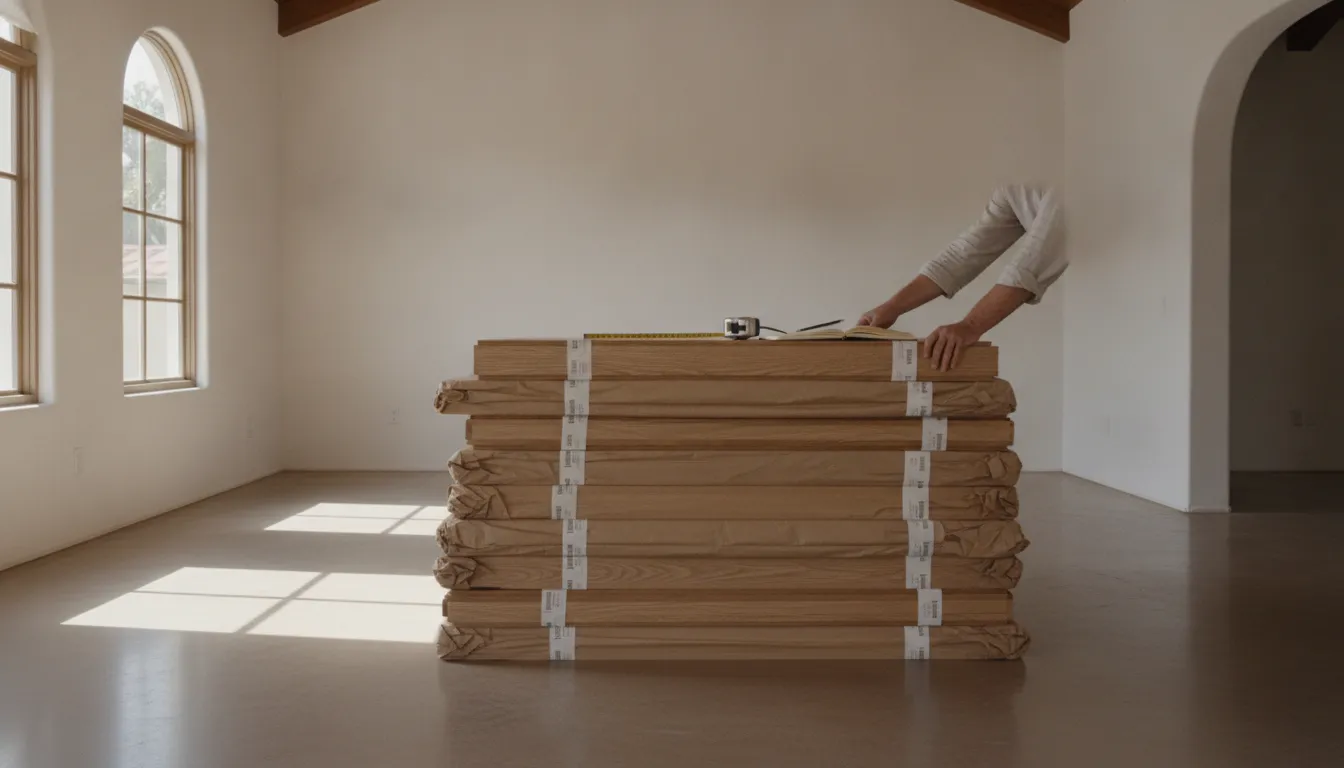
What a hardwood floor costs to install, and what moves the number
A hardwood quote in Los Angeles is built from the room and the subfloor, not from a price per box.
The short answer
Material and labor are only part of it. Preparation is where quotes differ most.
The cost to install hardwood floors comes from five things: the wood you choose, taking out the old floor, getting the subfloor ready, the way the floor is installed, and the finishing details. Two quotes for the same room can be far apart because one includes the subfloor work and the other leaves it for later.
So the useful question is not the price per square foot on a box. It is what the full job on your floor involves. The rest of this guide walks through each part so you can read a quote and compare it with another.
The line items in a Los Angeles hardwood quote
What each part covers, and why it can move.
- 01
The wood
Species, grade, plank width and solid versus engineered. Oak is the common baseline. Walnut, wide plank and character-free grades cost more. Engineered floors vary with the thickness of the wood layer.
- 02
Removing the old floor
Carpet and pad come up quickly. Glued-down vinyl, tile and old wood take longer and produce more waste to haul. Old 9-inch tiles may need testing first.
- 03
The subfloor
On a slab this means moisture testing, leveling and a vapor retarder, plus a plywood subfloor if you choose solid wood. On a raised floor it means fixing loose or soft spots. This is the line that varies most from house to house.
- 04
Installation method
Nail-down, glue-down and floating each take different time. Herringbone and chevron patterns take much longer than straight planks.
- 05
Finishing
Prefinished boards are ready when installed. Site-finished floors add sanding, stain and several coats, and let us match an existing floor.
- 06
Stairs and trim
Stairs are priced per step. Transitions, thresholds, baseboards and quarter round are listed separately.
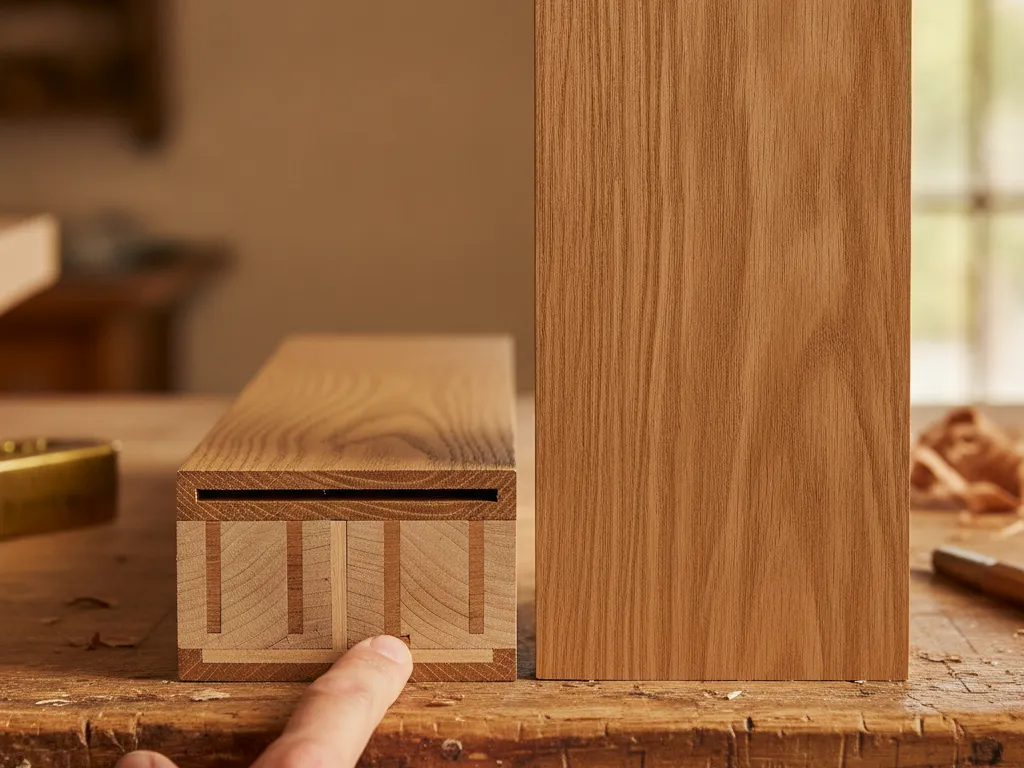
Solid versus engineered, on cost
Where the money is worth spending depends on what is under the floor.
On a concrete slab, engineered wood often costs less overall even if the boards cost about the same, because it can be glued or floated directly. Solid wood on a slab needs a plywood subfloor and a vapor retarder first, which adds material and labor.
Over a sound wood subfloor, solid hardwood nails down directly and can be sanded many times over its life. That makes it good value over the long run.
The wear layer matters on engineered floors. A thicker layer of real wood costs more but can be refinished later, which extends the life of the floor.
How to read and compare quotes
Line by line, not bottom line.
- Check that each quote includes removal, subfloor preparation and moisture testing, not only the wood and the labor.
- Look for the acclimation step. Wood that goes down the day it arrives is a risk in dry Los Angeles weather.
- Compare the same product, or ask what the difference is.
- Ask how stairs, transitions and baseboards are handled.
- Ask what happens if the subfloor turns out to need more work once the old floor is up.
A quote that lists every part lets you see where the money goes. That is how we write ours. When you are ready, see our hardwood floor installation page or request a quote and we will measure.
Questions about hardwood costs
Is engineered hardwood cheaper to install than solid?
On a concrete slab it usually is, because it skips the plywood subfloor that solid wood needs. Over a wood subfloor the installation cost is similar, and the board price decides it.

Want a quote for your floor?
We measure, test the subfloor and give you a written quote with every part listed.